
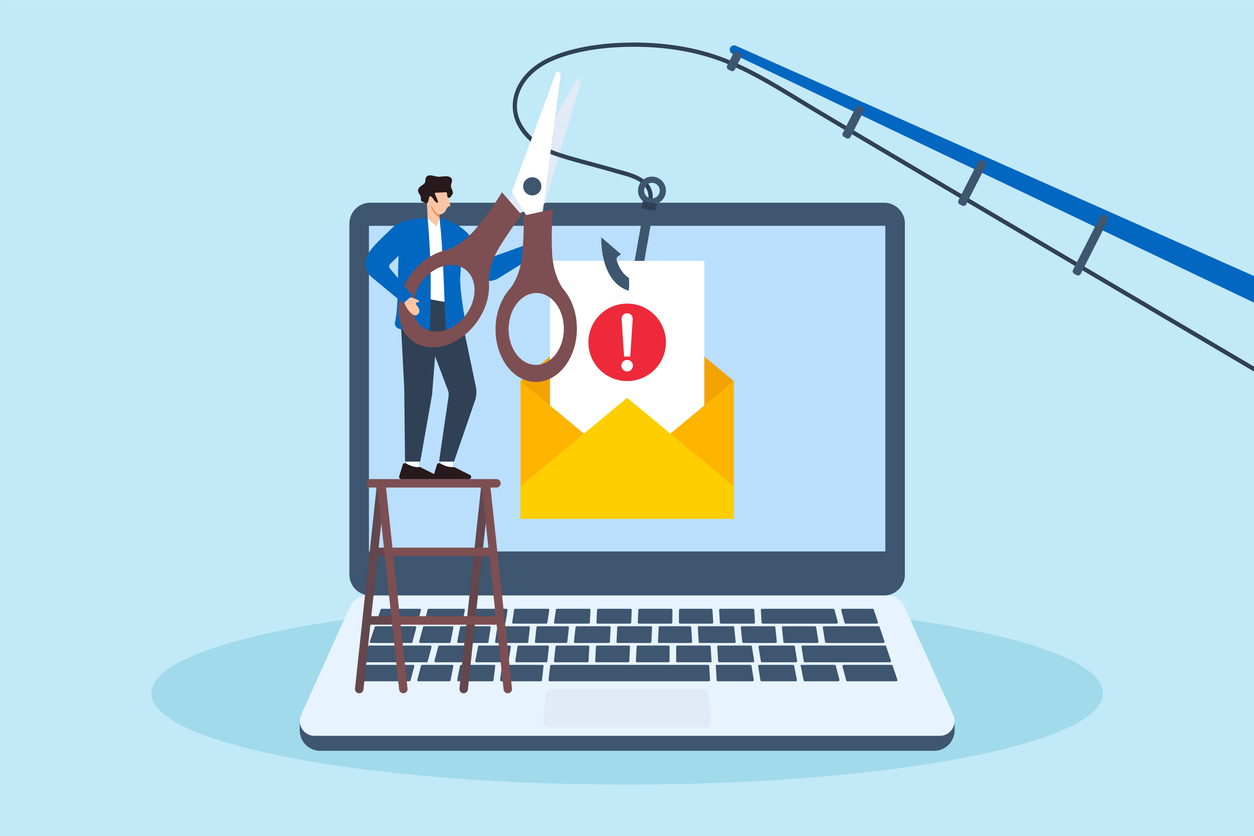
Protect Yourself from Phishing: Don’t Take the Bait
Learn how to spot phishing scams and protect your personal information from fraud. Stay safe online with tips from TAPCO Credit Union and our partner, GreenPath.
- September 23, 2025
- 1 min
Phishing and spoofing scams are on the rise, and fraudsters are becoming more sophisticated in their attempts to trick people into sharing personal information. Spoofing occurs when scammers disguise their identity to make emails, texts, or phone calls appear as though they’re coming from a trusted source, such as your financial institution, a company you know, or even a familiar phone number. These scams often come in the form of emails, texts, or phone calls that look legitimate at first glance. Just one wrong click on a suspicious link can compromise your email account or device, putting your personal and financial information at risk.
What Is Phishing?
Phishing is when a scammer pretends to be someone you trust—such as a company, government agency, or even a friend—to trick you into clicking a link, downloading a file, or sharing sensitive information. These attacks can look very convincing, which is why it’s important to stay cautious.
Signs of a Phishing Attempt
-
The message creates a sense of urgency, like threatening to close your account if you don’t act immediately.
-
Links or email addresses look unusual or don’t match the organization they claim to represent.
-
The message contains spelling mistakes, poor grammar, or generic greetings (like “Dear Customer”).
-
You’re asked to provide personal or financial information through a link or attachment.
How to Protect Yourself
-
Pause before you click. Hover over links to check their destination before clicking.
-
Be cautious with attachments. Unexpected files—even from people you know—can be dangerous.
-
Use strong, unique passwords. Reusing the same password across accounts increases your risk.
-
Enable multifactor authentication (MFA). This adds another layer of security beyond your password. Enable Now in TAPCO Digital Banking
-
Keep your devices updated. Software updates often contain important security patches.
-
Verify messages directly. Contact companies or friends using trusted phone numbers or websites, not the contact information provided in a suspicious email.
What Is Spoofing?
Spoofing is when a scammer disguises their identity to make a message or call appear as though it’s coming from a trusted source. This can include emails that look like they’re from your financial institution, texts from a familiar name, or phone calls that display a legitimate phone number. The goal is to gain your trust so you’re more likely to share information or take action.
Like phishing, spoofing scams can be very convincing. The message or caller may appear real at first glance, but small details often reveal that something isn’t right. Staying alert and verifying requests can help protect your personal and financial information.
Why It Matters
Phishing and Spoofing can lead to identity theft, stolen funds, and long-term impacts on your financial well-being. Staying alert and following best practices can help keep your information safe.
If you do get a scam text message you can delete it and report as junk/spam. We would also appreciate if you took a few minutes to file a report about the text with the Federal Trade Commission’s fraud report team or the FBI’s Internet Crimes Complaint Center.
🔗FREE ONLINE COURSE: Identity Theft, Fraud, and Scams | GreenPath